|
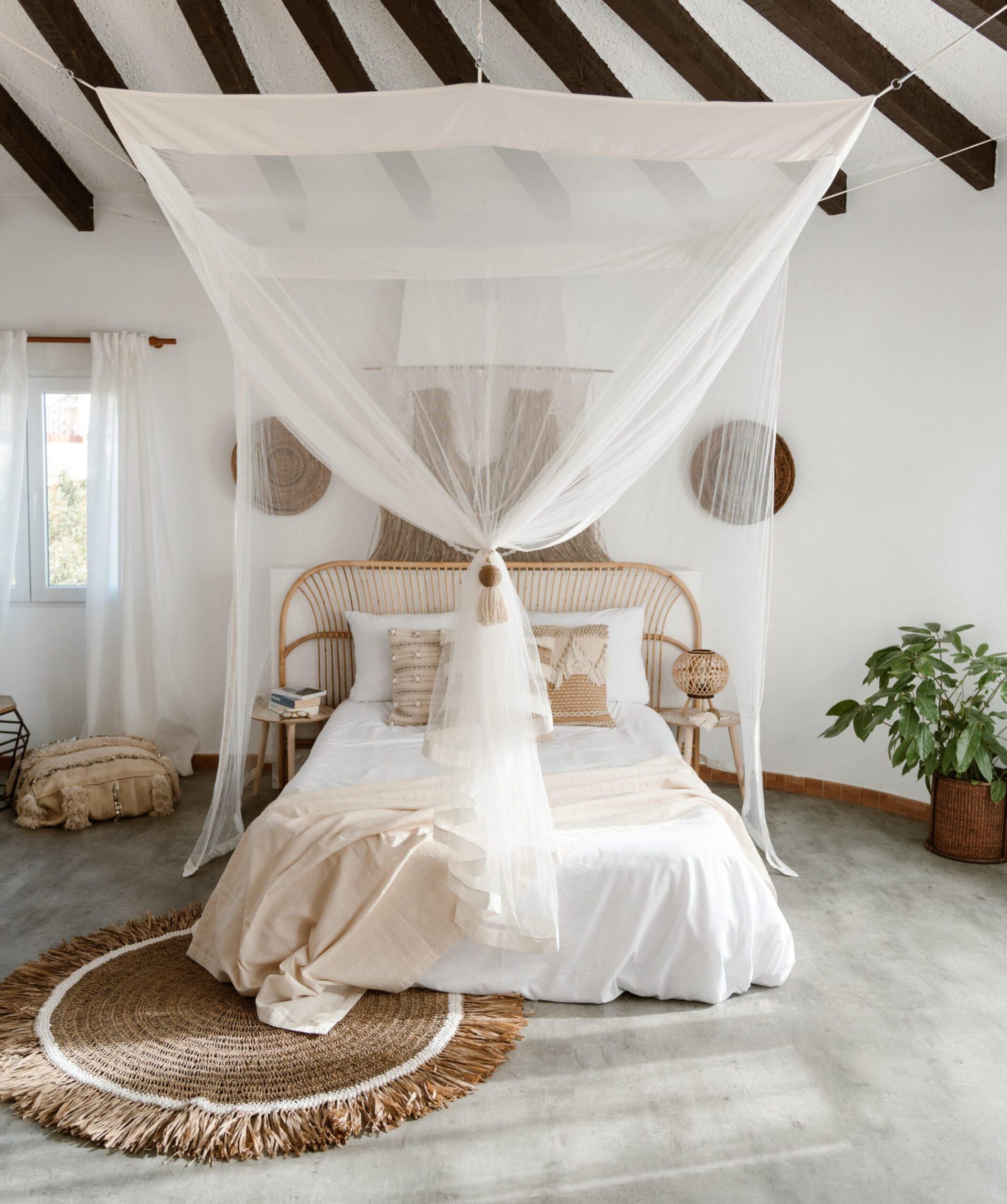
A calm bedroom is not created by removing everything that gives a room personality. It comes from choosing materials, shapes and details that work together instead of competing for attention. Brands such as Nusarah approach the bedroom from exactly that perspective: comfort, protection and atmosphere can exist in the same space. A well-designed room feels quiet at first glance, yet still reveals texture, craftsmanship and thoughtful choices when you spend more time in it. Start with the feeling you want to createBefore choosing furniture or accessories, decide how the room should feel. Some bedrooms benefit from a light, airy character, while others become more inviting through warmer textiles and deeper natural tones. This first decision makes later choices easier because every material can be judged against the same idea. Natural materials are especially useful when you want softness without making the room look overly decorated. Cotton, canvas, wood and woven textures introduce subtle variation. Use textiles to soften hard linesBeds, wardrobes and walls are dominated by straight edges. Too many hard lines can make a bedroom feel functional rather than restful. Textiles interrupt that geometry. A flowing mosquito net, a generously sized bedspread or a textured cushion can make the same furniture appear softer without changing the basic layout. A mosquito net is particularly interesting because it has more than one role. It creates a visual boundary around the sleeping area while also providing insect protection. Depending on the model, it can be suspended from a single point for a more relaxed silhouette or attached at several points for a structured, architectural look. Choose details that support the roomDecorative choices work best when they strengthen the atmosphere instead of becoming separate statements. Think about the relationship between the main textile pieces and smaller accessories.
Look beyond appearance when selecting materialsA beautiful bedroom is more convincing when the materials behind it have been chosen with equal care. That means considering durability, production methods and how often an item may need to be replaced. Small-batch production and handcrafted finishing can be valuable because they place more emphasis on workmanship and reduce the logic of disposable interiors. Material choice also affects everyday use. Natural cotton has a soft, breathable character, while finely woven polyester can offer a lighter structure and greater resistance to creasing. Neither choice exists in isolation; the best option depends on whether the priority is a natural appearance, easy handling, indoor use or a more flexible application. Extend the same atmosphere beyond the bedroomThe principles of a calm interior can continue onto a balcony, patio or covered terrace. Outdoor textiles, hammocks and protective netting can define a sheltered area without closing it off completely. Stronger materials such as reinforced polyester and canvas are useful here because the environment demands more from the fabric than an indoor bedroom does. Repeating cotton textures, neutral fabrics or handcrafted details creates continuity. The result is not a copied room outside, but a connected living environment in which rest, protection and design support one another. Care helps preserve both function and appearanceThoughtful maintenance is part of a well-designed space. Airing textiles regularly, following the washing instructions on the label and storing delicate fabrics in a clean cotton bag can help them retain their shape and finish. It is a small habit, but one that supports the idea behind timeless interiors: choose carefully, use consciously and keep good products in service for as long as possible. |